Tree pruning in Finsbury Park for safer, healthier gardens and smarter outdoor spaces
If you are looking for Tree pruning in Finsbury Park, you are probably dealing with one of a few familiar situations: branches overhanging a roof, trees blocking light into a flat or terrace, limbs brushing a boundary fence, or a garden tree that simply needs professional shaping after a few seasons of growth. In a busy part of North London like Finsbury Park, trees have to do more than look attractive. They need to fit the space, stay healthy, and remain manageable around homes, shared gardens, commercial premises, and public-facing properties.
Good pruning is about much more than taking a few branches off. Done properly, it supports the long-term health of the tree, reduces risk, improves light and airflow, and can help a tree sit more comfortably within a small urban plot. Whether you manage a family garden, a rental property, a courtyard, or a business frontage, local tree pruning services can make a noticeable difference to how your outdoor space looks and works.
For many Finsbury Park properties, the challenge is not whether a tree should be pruned, but how to prune it with care, the right timing, and the right outcome. That is especially true in streets with mature planting, compact plots, side returns, and shared access where trees are close to walls, pathways, windows, and neighbouring gardens.
Why tree pruning matters in Finsbury Park

In Finsbury Park and the surrounding neighbourhoods, trees are often part of a mix of older terraced housing, converted flats, garden squares, school grounds, shopfronts, and managed communal spaces. This creates a very specific need: trees must be maintained in a way that respects limited space and local conditions. Pruning helps reduce overcrowding, remove weak or damaged limbs, and improve the structure of the tree so it can continue growing in a controlled and balanced way.
For many homeowners, pruning also solves everyday practical problems. A tree that once looked ideal may now be shading an entire room, shedding too much leaf litter into gutters, or extending into a neighbour’s space. Regular pruning can help keep a tree in proportion with its setting, which is particularly valuable in urban areas where one tree can affect several properties at once.
Common reasons customers ask for pruning
People usually enquire about pruning when the tree begins causing inconvenience, although sometimes the request is preventative. A professional local service can help with:
- Reducing branches that are too close to roofs, chimneys, aerials, or gutters
- Clearing paths, driveways, and access routes
- Opening up daylight to gardens, patios, and rear rooms
- Removing dead, diseased, rubbing, or split branches
- Improving shape after storms or uneven growth
- Managing trees near fences, sheds, garages, or outbuildings
- Keeping shared spaces tidy and easier to maintain
Pruning can also help with visibility and security at the front of a property, especially where dense planting creates dark corners or blocks sightlines. For commercial customers, the same work can keep entrances welcoming and reduce leaf drop around customer access areas.
Tree pruning services for homes, landlords, and businesses

Tree pruning in Finsbury Park is not a one-size-fits-all task. A terrace garden with a single ornamental tree needs a different approach from a large mature specimen in a communal courtyard, and both are different again from trees around a business premises or managed rental property. A good local team will assess the tree, the setting, and the objective before recommending the right type of pruning.
That local understanding matters because many properties around Finsbury Park have tight side access, limited storage space for cuttings, shared boundaries, or parking restrictions that affect how the work can be carried out. Experienced local tree surgeons know how to plan around these challenges so the job can be done efficiently and with minimal disruption.
Typical customers in the area include
Tree pruning services are commonly requested by:
- Homeowners with front gardens, back gardens, or roofline concerns
- Landlords and letting agents needing reliable seasonal maintenance
- Residential blocks and estate managers
- Shops, cafés, and hospitality venues
- Schools, nurseries, and community properties
- Small offices, studios, and mixed-use premises
For each of these, the priorities may differ. A landlord may want tidy, low-risk growth between tenancies. A café may want cleaner sightlines and a more open frontage. A family may simply want more light without losing the character of a mature tree. A local pruning service should account for those goals and recommend the least invasive solution that still achieves the result.
Why local experience is especially useful
Finsbury Park’s urban layout creates practical constraints that are easy to underestimate. Narrow streets, parked vehicles, shared entrances, and rear access through side passages can all affect how pruning is carried out. A local contractor is more likely to understand the pace, access needs, and care required for this environment.
What is included in a professional pruning service?

When customers request tree pruning, they are usually looking for a clear, tidy result with minimal hassle. A proper service should begin with an assessment of the tree’s condition, size, species, and location. The work is then tailored to the tree rather than forcing the tree into a standardised shape. This helps protect the health of the tree while delivering the practical improvements you need.
Depending on the situation, pruning may include crown thinning, crown lifting, deadwood removal, reduction pruning, formative pruning for younger trees, or selective shaping. In some cases, the aim is to simply remove problem limbs while leaving the overall canopy largely intact. In others, the tree may need a more considered reduction to maintain safe clearance from the surrounding space.
What you can usually expect the service to cover
- Initial inspection and discussion of your goals
- Identification of dead, damaged, crossing, or overcrowded branches
- Pruning to improve shape, balance, and clearance
- Removal of cut branches and green waste where agreed
- Basic tidy-up of the work area
- Advice on future maintenance and timing
Where a tree has been neglected for some time, the work may need to be phased. Responsible pruning avoids overcutting, because removing too much at once can stress the tree and create future issues. A skilled arborist will keep the long-term health of the tree in mind rather than simply cutting back aggressively.
Types of pruning commonly requested in Finsbury Park
Different trees and different sites require different methods. These are some of the most common approaches:
- Crown thinning - selective removal of smaller branches to reduce density while keeping the overall shape.
- Crown lifting - removing lower branches to create more clearance over paths, driveways, lawns, or garden areas.
- Crown reduction - shortening branch length to reduce overall size and spread, often used where space is limited.
- Deadwood removal - taking out dead or unstable branches that could fall unexpectedly.
- Formative pruning - shaping younger trees so they develop a healthier and more manageable structure.
Not every tree needs every type of pruning. Sometimes one careful visit is enough, while other trees benefit from a planned maintenance cycle across the year.
Attention to detail makes the difference
Small decisions in pruning can have a big impact. The angle of a cut, the amount of canopy removed, and the choice of which branch to keep can all influence the tree’s recovery and future form. That is why professional pruning is best handled by someone who understands both the species and the setting.
Benefits of regular pruning for local properties
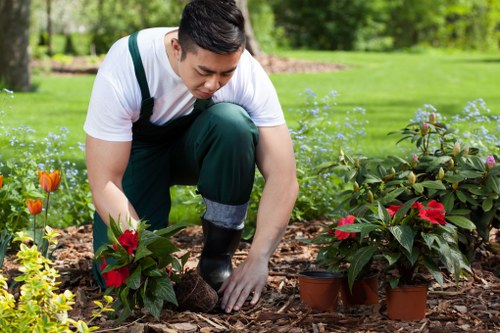
Tree pruning brings a range of benefits, many of which are immediately noticeable. One of the most popular is improved natural light. In densely built parts of Finsbury Park, even a moderate reduction in canopy density can brighten a garden room or rear elevation significantly. That can make the outdoor space feel larger and more usable, and it can also improve the atmosphere inside the home.
Another important benefit is reduced risk. Branches that are weak, split, or too close to structures may be more likely to fail in wind or under seasonal load. Pruning can help remove these concerns before they become a problem. It can also make it easier to inspect the tree in future, especially if the crown has become very dense.
Practical advantages for everyday use
- More sunlight in gardens and internal rooms
- Less leaf fall into drains, gutters, patios, and ponds
- Improved access for maintenance and cleaning
- Better airflow around the canopy and surrounding planting
- Reduced risk of branches interfering with roofs, windows, or fences
- A tidier appearance for front gardens and commercial façades
Regular pruning can also support property presentation. For homes being prepared for sale or let, for example, a neatly maintained tree can contribute to a more cared-for appearance without the expense or disruption of major landscaping. For businesses, it can help the premises look professional and approachable.
Health and growth benefits
Beyond appearance and safety, pruning can support tree health. Removing dead or diseased material can reduce the spread of problems, while selective thinning can help air move through the canopy. This can be especially helpful in wetter periods, or where trees are already under pressure from compacted soil, restricted rooting space, or competition from nearby planting.
Well-timed pruning encourages stronger future growth and helps keep the tree in better condition for longer. That makes it a practical choice for customers who want to protect a mature tree rather than replace it.
How tree pruning in Finsbury Park usually works
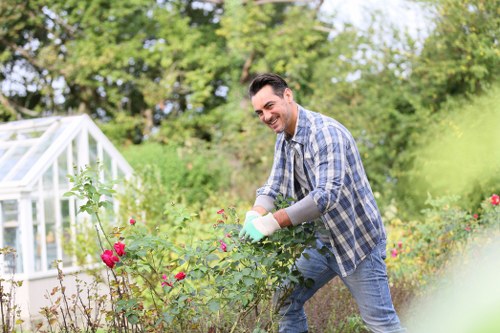
Customers often want to know what happens when they book tree pruning. A clear, professional process helps remove uncertainty and makes it easier to plan around the work. The exact steps depend on the size of the tree, the access available, and the type of pruning needed, but a typical service follows a sensible sequence from assessment through to tidy-up.
In a busy urban area, planning matters. The team may need to think about access through side gates, limited parking, protecting nearby surfaces, and keeping disruption to neighbours or passing pedestrians to a minimum. That is one of the reasons local services are so valuable: they understand the practical realities of working in places like Finsbury Park, Stroud Green, Holloway, Crouch End, and nearby residential roads.
Step-by-step process
- Site assessment - the tree, its condition, and surrounding features are reviewed.
- Discussion of priorities - whether the focus is light, safety, shape, or access.
- Method selection - the appropriate pruning type is chosen for the tree and location.
- Careful pruning - branches are removed selectively and responsibly.
- Waste handling - cut material is gathered and removed if included in the agreed service.
- Final check - the tree and site are reviewed to make sure the result matches the objective.
For larger or more complex jobs, a team may also need to use specialist access equipment or additional safety measures. This is particularly relevant for mature trees near buildings, in shared gardens, or where the work area must be controlled carefully.
Preparing your property before the visit
A small amount of preparation can help the work go smoothly. You do not need to do any heavy lifting yourself, but a few simple steps can make a real difference:
- Move vehicles if access is needed near the tree
- Clear garden furniture, plant pots, and ornaments where possible
- Make sure gates and side passages are unlocked and accessible
- Let neighbours know if branches may briefly pass over shared boundaries
- Flag any concerns about cables, sheds, glass, or delicate planting
If access is tight, it helps to mention that in advance so the team can plan accordingly. Good communication before the visit often saves time on the day and reduces the chance of surprises.
Pricing factors and what affects the quote
Customers often want a clear idea of cost before booking, and it is fair to ask what affects a pruning quote. While exact prices vary from one job to another, several practical factors usually influence the amount of work involved. Understanding these can help you compare services with more confidence and avoid surprises.
The size, species, and condition of the tree are important starting points. A small ornamental tree in a front garden is typically less complex than a mature tree with heavy limbs near a roofline. Access is another major factor: if the team can easily reach the tree and work area, the job may be more straightforward than a property with restricted side access, no parking nearby, or a shared rear entrance.
Common pricing factors
- Tree height and canopy spread
- Type of pruning required
- Overall condition of the tree
- Ease of access to the site
- Amount of waste to be removed
- Need for specialist equipment or additional labour
- Working constraints such as parking, traffic, or neighbour access
Some customers ask whether it is cheaper to leave a tree until it becomes a major problem. In practice, that often leads to a more difficult and expensive job later. Routine maintenance can be a smarter option because the work is usually lighter, safer, and easier to plan.
Getting value from the work
Value is not just about cost. It is also about getting the right result, preserving tree health, and avoiding unnecessary damage to the garden or property. A carefully carried out prune can improve the look and use of your space for years, which is why many customers prefer a thoughtful local service over a rushed, one-size-fits-all approach.
Why choose a local company for tree pruning near Finsbury Park?
Choosing a local company means more than convenience. It usually means better understanding of the area, faster response times, and practical knowledge of local property layouts. In Finsbury Park, where homes and businesses are often closely arranged, that familiarity is extremely useful. The team is more likely to anticipate access constraints, parking limitations, and shared boundary issues before the work begins.
There is also real value in working with people who understand how different streets and property types affect pruning decisions. A tree over a narrow rear garden in a Victorian terrace may need a different approach from one in a larger communal landscape or beside a commercial forecourt. Local experience helps ensure the pruning suits the site, not just the tree.
Reasons local customers tend to prefer a nearby service
- Better understanding of Finsbury Park property layouts
- Knowledge of narrow access routes and parking challenges
- Easier planning around neighbours and shared spaces
- More suitable advice for common local tree species and settings
- Support for both one-off work and ongoing maintenance
- Convenient service for urgent or time-sensitive jobs
For commercial clients, a local team can also fit in with business hours and site access requirements more flexibly. For landlords, having a nearby service can make it easier to keep on top of seasonal maintenance across more than one property.
Local knowledge builds confidence
Customers usually want pruning done neatly, safely, and with minimal disruption. Local experience helps deliver that standard because the team is familiar with the pace and pressures of urban work. That can make the whole process feel simpler from the first enquiry to the final tidy-up.
Areas covered around Finsbury Park
Tree pruning services in Finsbury Park often extend to nearby residential and commercial areas where similar access and maintenance needs arise. If you are based just outside the immediate park area, it is still worth asking for a quotation, especially if your property has mature trees or limited outdoor space.
Nearby areas commonly served include:
- Stroud Green
- Holloway
- Archway
- Highbury
- Islington
- Manor House
- Hornsey
- Crouch End
Different parts of these neighbourhoods can present different challenges. Some streets have compact front gardens and long rear plots; others include shared access, basement flats with small courtyards, or larger garden spaces that need regular upkeep. A local pruning service can adapt to those conditions and suggest the most practical solution.
For commercial customers, nearby delivery routes, customer parking, and public access may all need to be considered before the work begins. This is another reason why a locally familiar team can add real value.
Choosing the right time of year for pruning
The best time to prune depends on the species, the tree’s condition, and the goal of the work. Some trees respond well to winter pruning when they are dormant, while others benefit from light seasonal maintenance at different times of year. In urban gardens, timing can also depend on practical concerns such as nesting periods, flowering cycles, or simply when the tree is causing the most inconvenience.
Because every tree is different, it is worth getting advice before deciding when to book the work. A sensible pruning schedule can reduce stress on the tree and improve the long-term outcome. It may also help avoid unnecessary disturbance to nearby planting, lawns, or structures.
When customers often book pruning
- Before spring growth begins
- After leaf fall, when structure is easier to inspect
- Following storm damage or high winds
- When light levels drop noticeably in the garden or home
- Before property handovers, tenancy changes, or refurbishment work
If you are unsure whether your tree should be pruned now or later, a local assessment can help you decide. Sometimes a small amount of maintenance now prevents a bigger intervention later.
Frequently asked questions
How do I know if my tree needs pruning?
Signs include overhanging branches, reduced light, dead or rubbing limbs, uneven growth, branches touching roofs or walls, and excessive leaf drop into gutters or drains. If you are unsure, a professional inspection can help identify whether pruning is the right solution.
Will pruning harm the tree?
Not if it is carried out properly. In fact, selective pruning can support health and structure. The risk comes from removing too much, cutting in the wrong place, or pruning at the wrong time. That is why it is important to use a skilled arborist rather than treating the job as a simple cut-back.
Do you work on trees in small gardens and tight spaces?
Yes, and many Finsbury Park properties have exactly those conditions. Tight access, shared boundaries, and nearby structures are common in urban settings, so planning and careful working methods are part of the service.
Can pruning help if a tree is blocking light into my flat or garden?
Yes. Crown thinning, crown lifting, or a controlled reduction may help improve light levels while keeping the tree healthy and attractive. The best method depends on the tree and how much adjustment is needed.
What happens to the cut branches and waste?
That depends on the agreed service. Many customers prefer the waste to be removed as part of the job, while others may want material left neatly for their own arrangements. This can usually be discussed during the quotation stage.
Can you prune trees near buildings or boundaries?
Yes, but the work needs careful planning. Trees close to houses, fences, and neighbouring properties often require controlled access and extra attention to safety and branch direction.
How often should trees be pruned?
It depends on the species, age, and location of the tree, as well as your goals. Some trees need regular light maintenance, while others only need occasional attention. A local professional can suggest a sensible cycle once they have seen the tree.
Should I request a quote before booking?
Yes. A quote request helps clarify the scope of work, access needs, waste removal, and any special considerations. It is the easiest way to understand what is involved and whether the service matches your needs.
Book tree pruning in Finsbury Park with confidence
If your tree is getting too large, too dense, or too close to the places you use every day, now is a good time to take action. Professional pruning can restore balance, improve light, reduce worry, and help you get more from your garden or property. For local homes, landlords, and businesses, it is often one of the most effective ways to improve the look and practicality of outdoor space without major disruption.
Whether you need routine maintenance, a one-off tidy-up, or help with a more awkward tree near a roof, fence, or shared boundary, a local team can assess the situation and recommend the best approach. Contact us today to request a free quote or book your service now. If you are in or around Finsbury Park and want a thoughtful, reliable tree pruning service, it is worth getting the job assessed sooner rather than later.
From small garden trees to more established urban canopies, the right pruning keeps trees safer, healthier, and better suited to their surroundings. If your property in Finsbury Park could benefit from clearer light, neater growth, or improved tree management, now is the right time to enquire.